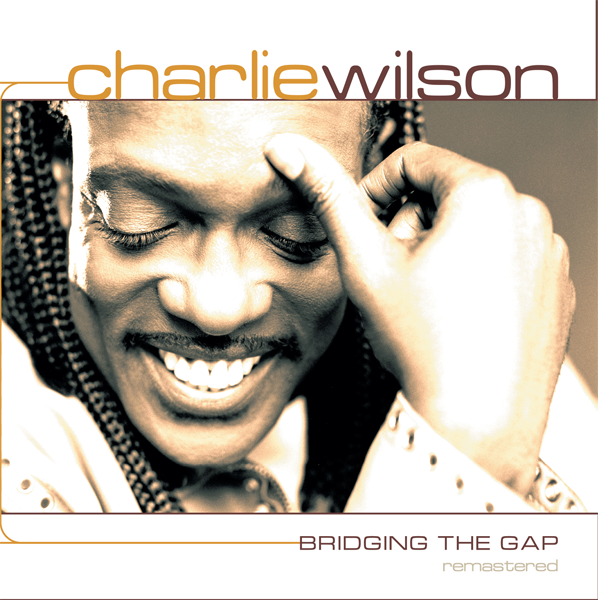
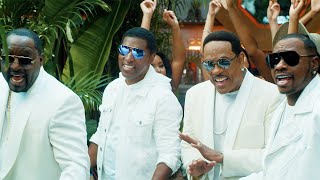
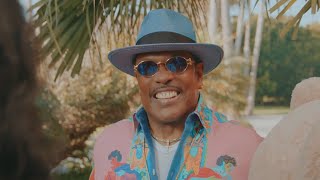
Charlie Wilson Joins ‘We Playin’ Spades’ to Talk Music, Classic Hits, and His Upcoming R&B Cookout Tour
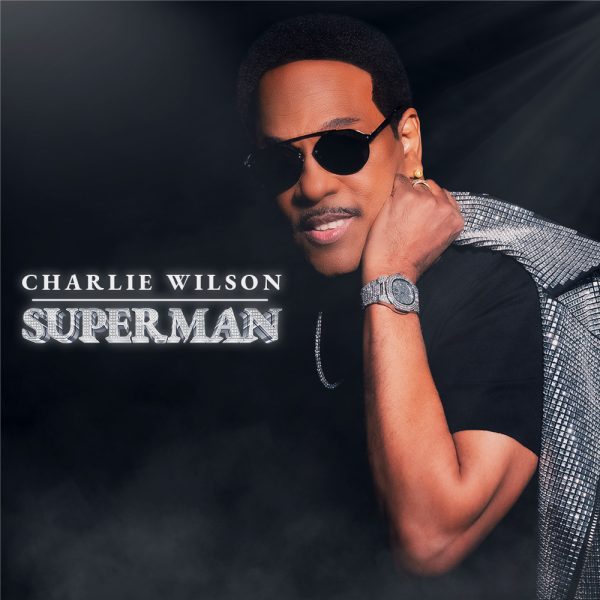
Charlie Wilson joined Nick Cannon and Courtney Bee on the popular “We Playin’ Spades” podcast, where he shared stories from […]
Read More »During Season 4, Woodman invested in a quirky beverage company and a fitness brand. He ignored high sales figures and instead focused on the story . He taught that in a crowded market, the brand that wins isn't the cheapest—it's the one that makes the customer feel like they are part of a tribe.
Season 4 proved that the best investors aren't just check-writers; they are psychologists, brand coaches, and reality therapists. Study the guest sharks—not for their money, but for their mindset. season 4 guest shark education
Equity is your only non-renewable resource. Blakely teaches that debt, royalties, or smaller percentage deals are often smarter than a big check. Just because a shark offers you money doesn't mean you should take it. "Valuation isn't wealth," she argued. "Ownership is wealth." The Ultimate Season 4 Case Study The most educational moment of the season involved a product called "The Smart Plate" (a portion-control plate for weight loss). All the regular sharks thought it was a fad. But Nick Woodman and Sara Blakely fought over the deal. During Season 4, Woodman invested in a quirky
Luxury comes from scarcity of capital. DeJoria teaches that constraints force creativity. If you raise too much money before proving your concept, you build bad habits. His question to every entrepreneur was simple: "If I don’t give you the money, how do you survive?" If you can’t answer that, you aren’t ready for an investor. Lesson 2: Lifestyle Brands vs. Product Companies (Nick Woodman) The Context: Woodman built GoPro by selling a feeling (adventure, POV video) as much as a camera. He valued emotional connection over unit economics. Season 4 proved that the best investors aren't
Charlie Wilson joined Nick Cannon and Courtney Bee on the popular “We Playin’ Spades” podcast, where he shared stories from […]
Read More »
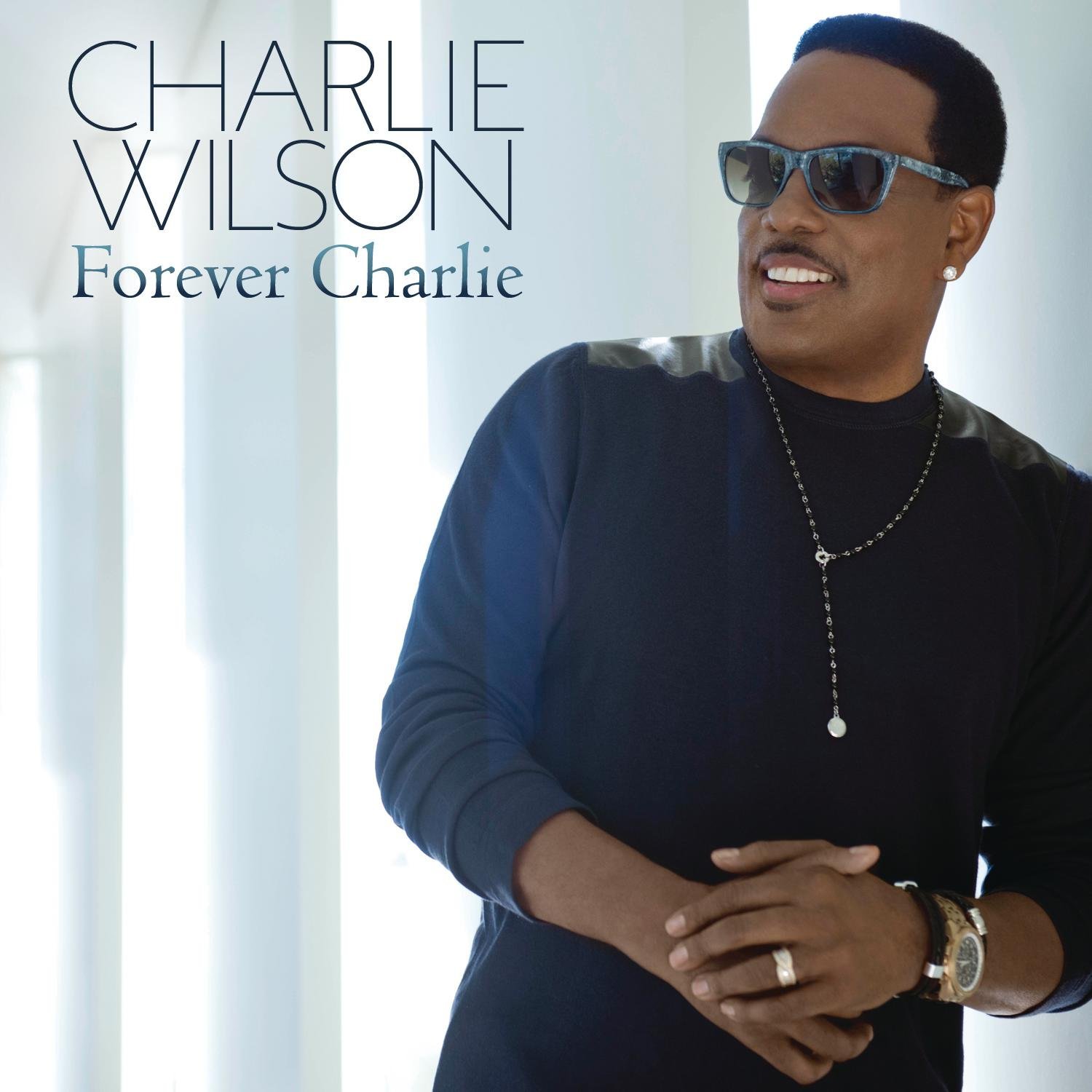
Charlie Wilson joins Amaarae on her highly anticipated new album Black Star, collaborating on the track “Dream Scenario.” The 13-song […]
Read More »
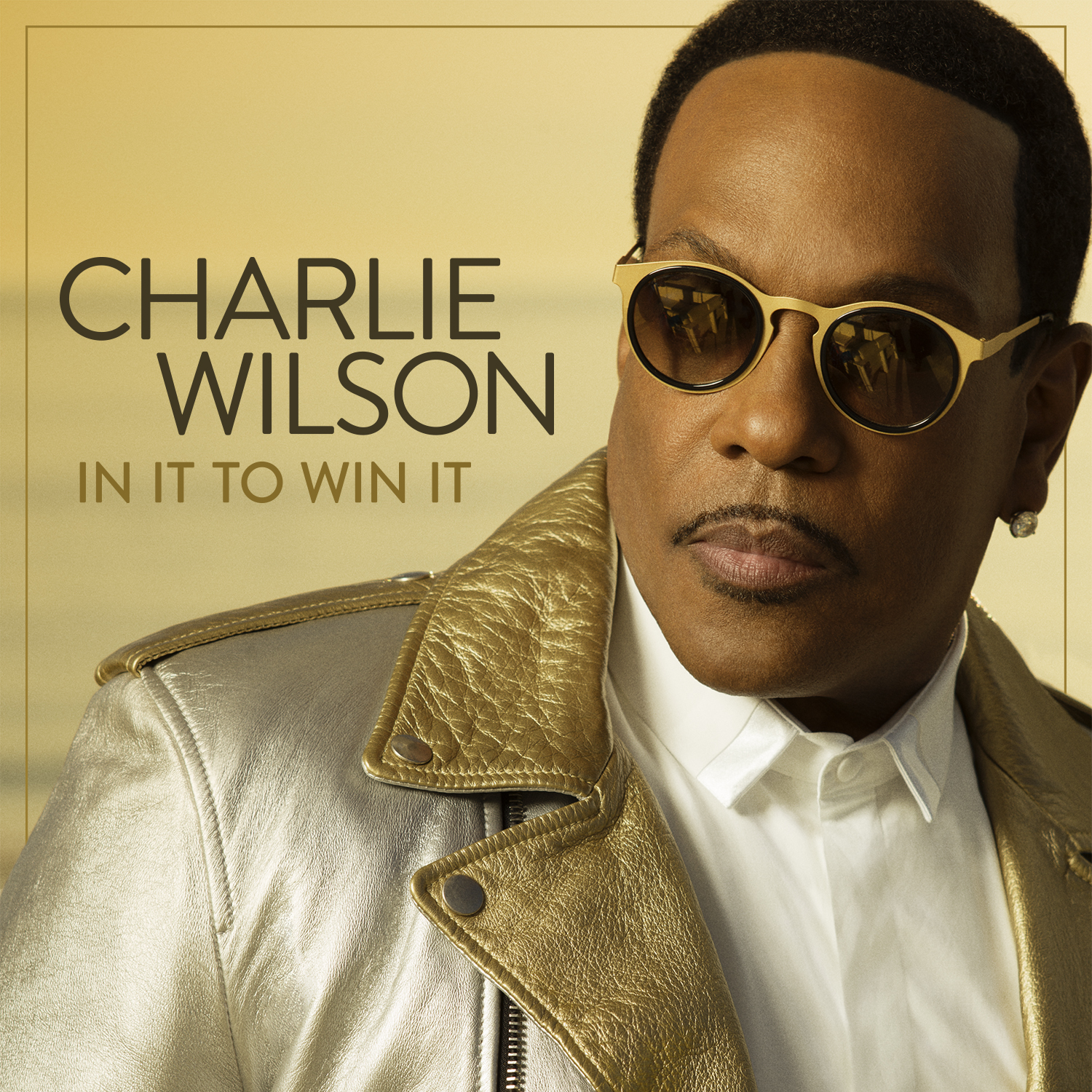
Charlie Wilson’s newest single taps back into his signature feel-good sound with a groove that is perfect for the summer. […]
Read More »
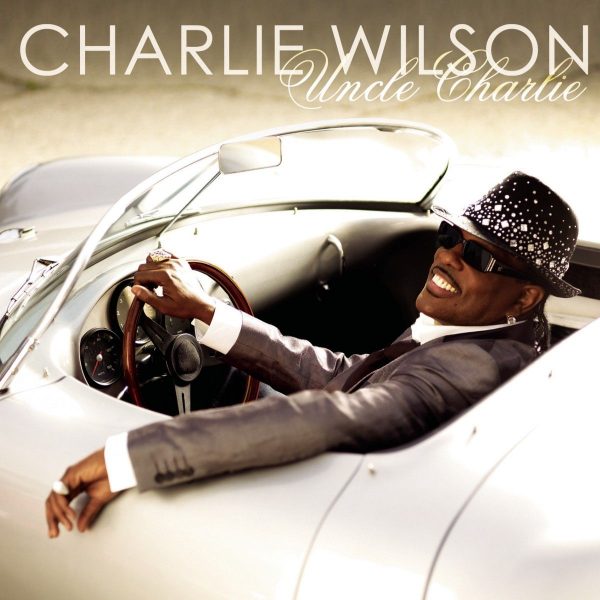
Charlie Wilson brings his signature smooth vocals to country star Scotty McCreery’s new single “Once Upon a Bottle of Wine” […]
Read More »
Charlie Wilson joins Gracie’s Corner, the popular children’s animated sing-along YouTube series for a new song, “Have a Good Time.” Watch […]
Read More »
During Season 4, Woodman invested in a quirky beverage company and a fitness brand. He ignored high sales figures and instead focused on the story . He taught that in a crowded market, the brand that wins isn't the cheapest—it's the one that makes the customer feel like they are part of a tribe.
Season 4 proved that the best investors aren't just check-writers; they are psychologists, brand coaches, and reality therapists. Study the guest sharks—not for their money, but for their mindset.
Equity is your only non-renewable resource. Blakely teaches that debt, royalties, or smaller percentage deals are often smarter than a big check. Just because a shark offers you money doesn't mean you should take it. "Valuation isn't wealth," she argued. "Ownership is wealth." The Ultimate Season 4 Case Study The most educational moment of the season involved a product called "The Smart Plate" (a portion-control plate for weight loss). All the regular sharks thought it was a fad. But Nick Woodman and Sara Blakely fought over the deal.
Luxury comes from scarcity of capital. DeJoria teaches that constraints force creativity. If you raise too much money before proving your concept, you build bad habits. His question to every entrepreneur was simple: "If I don’t give you the money, how do you survive?" If you can’t answer that, you aren’t ready for an investor. Lesson 2: Lifestyle Brands vs. Product Companies (Nick Woodman) The Context: Woodman built GoPro by selling a feeling (adventure, POV video) as much as a camera. He valued emotional connection over unit economics.