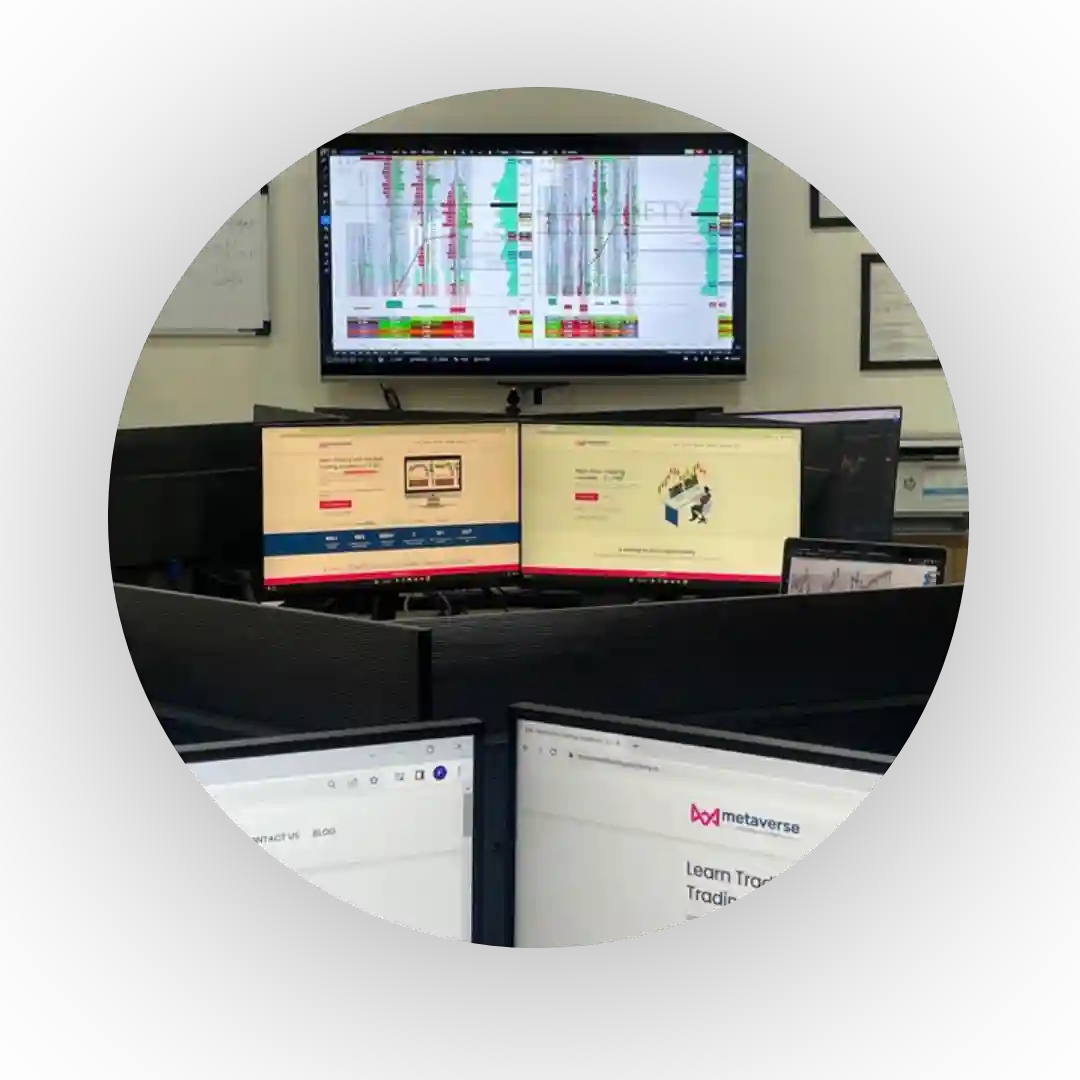
Metaverse Trading Academy is best trading academy in india to learn stock trading using order flow, market profile, volume profile, option chain etc.
Rajkot, Gujarat, India
A month after publication, a package arrived at his Cairo apartment. No return address. Inside: a USB drive. On it, one PDF.
Who had translated these? The PDFs had no translator's name. The metadata only said: "Scanned from a private collection, Damascus, 1998."
This is an interesting request because (823–894 CE) was a famous Abbasid-era scholar, moralist, and teacher in Baghdad, known for his short, thematic books on spirituality, death, repentance, and the afterlife. However, a story about "Ibn Abi Dunya books PDF English" would need to be a fictional narrative—since PDFs and English translations didn't exist in the 9th century.
That morning, he went to the university library and pulled a 19th-century lithograph of Kitab al-Mawt from the rare books room. The Arabic matched his memory exactly.
Then, late one Tuesday night, he stumbled on a small, poorly formatted blog. The title read: "Ibn Abi Dunya Books PDF English – Complete Collection."
The problem? Most of Ibn Abi Dunya’s 200+ books no longer exist as physical manuscripts. They survive as fragments quoted by later scholars, or—if you were lucky—as rare lithographs in libraries in Medina, Istanbul, or Rampur. Omar had visited all three.
That night, Omar called his advisor. "I found it," he whispered. "Ibn Abi Dunya—in English. All of it."
A month after publication, a package arrived at his Cairo apartment. No return address. Inside: a USB drive. On it, one PDF.
Who had translated these? The PDFs had no translator's name. The metadata only said: "Scanned from a private collection, Damascus, 1998." ibn abi dunya books pdf english
This is an interesting request because (823–894 CE) was a famous Abbasid-era scholar, moralist, and teacher in Baghdad, known for his short, thematic books on spirituality, death, repentance, and the afterlife. However, a story about "Ibn Abi Dunya books PDF English" would need to be a fictional narrative—since PDFs and English translations didn't exist in the 9th century. A month after publication, a package arrived at
That morning, he went to the university library and pulled a 19th-century lithograph of Kitab al-Mawt from the rare books room. The Arabic matched his memory exactly. On it, one PDF
Then, late one Tuesday night, he stumbled on a small, poorly formatted blog. The title read: "Ibn Abi Dunya Books PDF English – Complete Collection."
The problem? Most of Ibn Abi Dunya’s 200+ books no longer exist as physical manuscripts. They survive as fragments quoted by later scholars, or—if you were lucky—as rare lithographs in libraries in Medina, Istanbul, or Rampur. Omar had visited all three.
That night, Omar called his advisor. "I found it," he whispered. "Ibn Abi Dunya—in English. All of it."
© 2026 Vital Vertex. All rights reserved.