fire girl water boy unblocked fire girl water boy unblocked

A massively multiplayer creature-collection adventure.

Watch trailer

Fire Girl Water Boy Unblocked Here

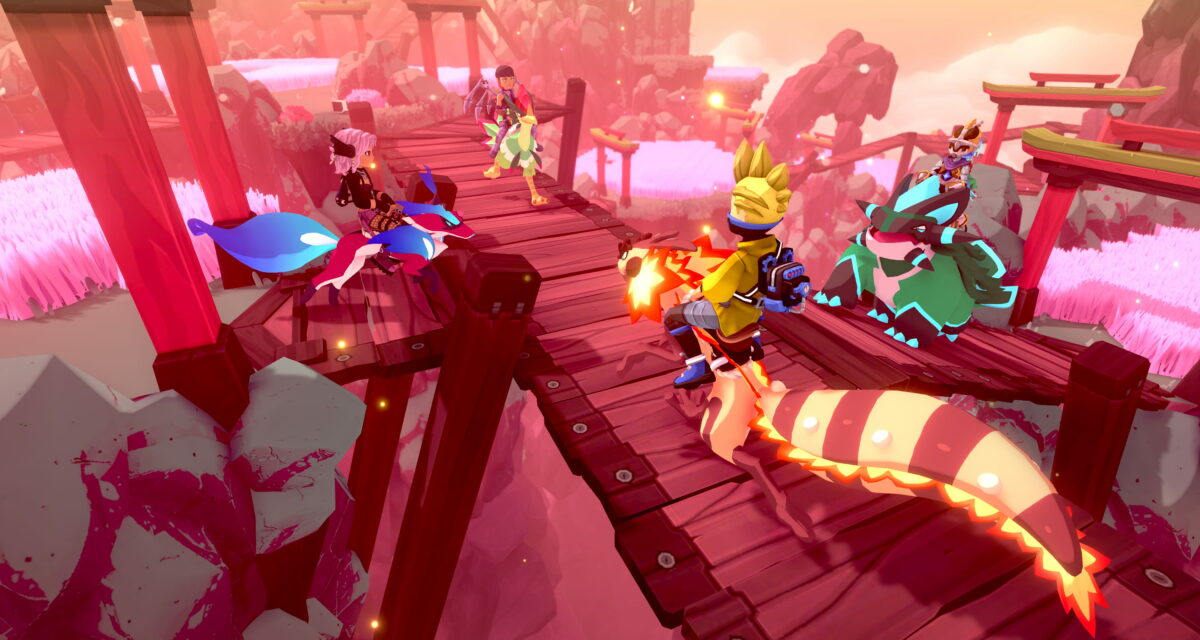
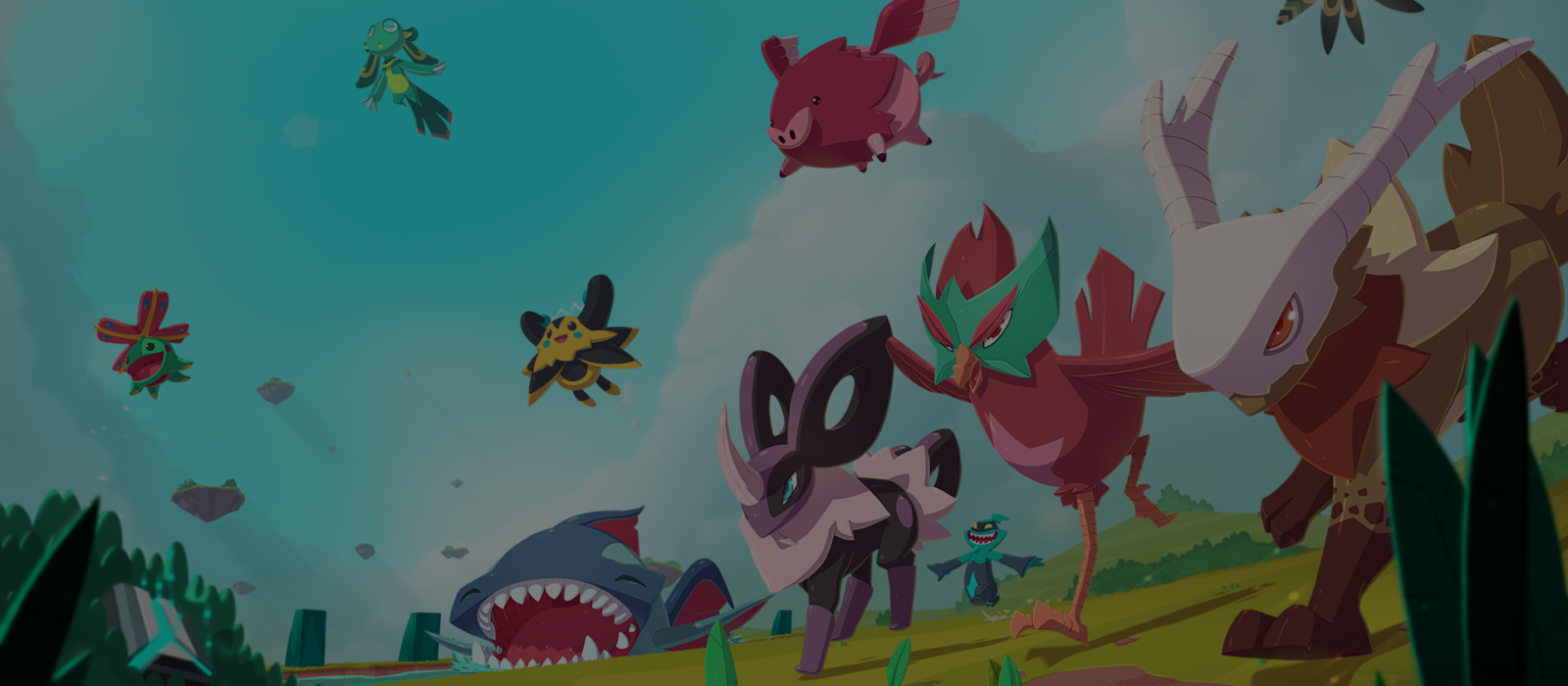
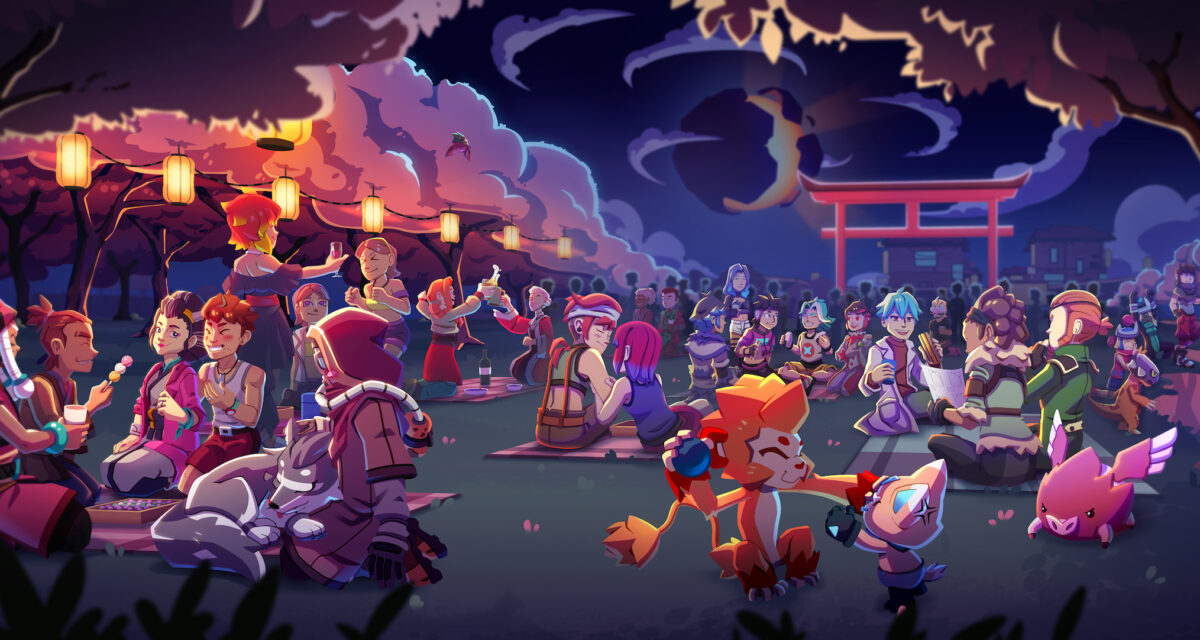
Every kid dreams about becoming a Temtem tamer; exploring the six islands of the Airborne Archipelago, discovering new species, and making good friends along the way. Now it’s your turn to embark on an epic adventure and make those dreams come true.

Catch new Temtem on Omninesia’s floating islands, battle other tamers on the sandy beaches of Deniz or trade with your friends in Tucma’s ash-covered fields. Defeat the ever-annoying Clan Belsoto and end its plot to rule over the Archipelago, beat all eight Dojo Leaders, and become the ultimate Temtem tamer!

Features

  • Lengthy story campaign
  • Fully online world
  • Co-Op Adventure
  • Competitively oriented gameplay
  • Advanced character customization
  • Housing
fire girl water boy unblocked

Screenshots & Videos

Latest news

Read more about Temtem
Patch 1.8.4

Fire Girl Water Boy Unblocked Here

Fire Girl Water Boy Unblocked Here

The term “unblocked” carries a cultural weight that the game itself exploits. School network administrators block games to enforce productivity, yet students persistently seek out proxy sites hosting Fire Girl Water Boy . This cat-and-mouse dynamic teaches a form of digital literacy rarely acknowledged in curricula: understanding network restrictions, identifying secure mirror sites, and exercising discretion. The game thus becomes a rite of passage. Playing Fire Girl Water Boy Unblocked is not just about entertainment; it is a small act of technological agency. In a world where algorithmic curation controls much of what we see, the ability to find and play an unblocked game represents a basic exercise in self-directed access.

Research in educational psychology suggests that puzzle-based cooperative play enhances executive function. In Fire Girl Water Boy , players must simultaneously manage two characters’ positions, track environmental hazards, and sequence actions. When played cooperatively (two players on one keyboard), it demands clear, concise communication: “Wait—move Fire Girl left first, then I’ll jump.” This mirrors the collaborative problem-solving required in fields from software engineering to emergency response. The game’s low stakes—no timers, no lives, no punishment beyond restarting a level—encourages trial and error learning. Failure is iterative, not punitive. For students facing pressure from standardized testing, such an environment offers a rare space for stress-free cognitive play. fire girl water boy unblocked

Beyond the Block: The Unexpected Pedagogy of Fire Girl Water Boy Unblocked The term “unblocked” carries a cultural weight that

In the ecosystem of online flash games, few titles have achieved the quiet longevity of Fire Boy and Water Girl (often colloquially referred to as Fire Girl Water Boy ). While mainstream gaming chases photorealism and complex narratives, this elemental puzzle-platformer has found a permanent home on “unblocked” game websites—digital refuges accessible from school and office computers. Far from being a mere distraction, the Unblocked version of this game functions as a subtle but effective tool for developing cooperative logic, systems thinking, and digital resilience. This essay argues that the game’s simplicity, combined with its forced collaboration mechanics, transforms it from a time-waster into a low-stakes cognitive training ground. The game thus becomes a rite of passage

Fire Girl Water Boy Unblocked is more than a nostalgic relic of the Flash era. It is a case study in how minimalist game design can foster cooperation, logic, and digital autonomy. Its persistence on unblocked game sites speaks to a fundamental human need: to solve problems with others, free from commercial interruption and institutional oversight. While educators may see it as a distraction, a closer look reveals a silent teacher—one that uses fire, water, and a simple keyboard to ignite something far more valuable than high scores: collaborative reasoning. In a fractured digital landscape, perhaps we need more unblocked games, not fewer.

At its core, Fire Girl Water Boy requires two players (or one player controlling two characters) to navigate maze-like levels. Fire Girl walks through lava unscathed but dies in water; Water Boy swims freely but perishes in fire. This elemental dichotomy creates a constant state of mutual dependence. The “unblocked” nature of the game—stripped of ads, social features, and high-end graphics—amplifies this purity. Without the distractions of modern free-to-play models (microtransactions, timers, or loot boxes), the player is left with raw logic. Each level is a propositional logic problem: “If Fire Girl triggers the switch, then Water Boy can cross the water.” Solving these puzzles requires not reaction speed, but patience and perspective-shifting—skills often undervalued in competitive gaming.
Patch 1.8.3

Fire Girl Water Boy Unblocked Here

We’ve adjusted the way Spectator mode and the Skip Animations setting worked: An spectator can’t have Skip Animations ON if…

Read more Patch 1.8.3

Temtem Press Kit

Follow the link to access the complete press kit.

Press Kit
We only use session cookies for technical purposes to enable your browsing and secure access to the functionalities of the website. See more information in the Cookies Policy. We also inform users that our website contains links to third-party websites governed by their own privacy and cookie policies, so you should decide whether to accept, configure or reject them when accessing our website. View more
Cookies settings
Accept

The term “unblocked” carries a cultural weight that the game itself exploits. School network administrators block games to enforce productivity, yet students persistently seek out proxy sites hosting Fire Girl Water Boy . This cat-and-mouse dynamic teaches a form of digital literacy rarely acknowledged in curricula: understanding network restrictions, identifying secure mirror sites, and exercising discretion. The game thus becomes a rite of passage. Playing Fire Girl Water Boy Unblocked is not just about entertainment; it is a small act of technological agency. In a world where algorithmic curation controls much of what we see, the ability to find and play an unblocked game represents a basic exercise in self-directed access.

Research in educational psychology suggests that puzzle-based cooperative play enhances executive function. In Fire Girl Water Boy , players must simultaneously manage two characters’ positions, track environmental hazards, and sequence actions. When played cooperatively (two players on one keyboard), it demands clear, concise communication: “Wait—move Fire Girl left first, then I’ll jump.” This mirrors the collaborative problem-solving required in fields from software engineering to emergency response. The game’s low stakes—no timers, no lives, no punishment beyond restarting a level—encourages trial and error learning. Failure is iterative, not punitive. For students facing pressure from standardized testing, such an environment offers a rare space for stress-free cognitive play.

Beyond the Block: The Unexpected Pedagogy of Fire Girl Water Boy Unblocked

In the ecosystem of online flash games, few titles have achieved the quiet longevity of Fire Boy and Water Girl (often colloquially referred to as Fire Girl Water Boy ). While mainstream gaming chases photorealism and complex narratives, this elemental puzzle-platformer has found a permanent home on “unblocked” game websites—digital refuges accessible from school and office computers. Far from being a mere distraction, the Unblocked version of this game functions as a subtle but effective tool for developing cooperative logic, systems thinking, and digital resilience. This essay argues that the game’s simplicity, combined with its forced collaboration mechanics, transforms it from a time-waster into a low-stakes cognitive training ground.

Fire Girl Water Boy Unblocked is more than a nostalgic relic of the Flash era. It is a case study in how minimalist game design can foster cooperation, logic, and digital autonomy. Its persistence on unblocked game sites speaks to a fundamental human need: to solve problems with others, free from commercial interruption and institutional oversight. While educators may see it as a distraction, a closer look reveals a silent teacher—one that uses fire, water, and a simple keyboard to ignite something far more valuable than high scores: collaborative reasoning. In a fractured digital landscape, perhaps we need more unblocked games, not fewer.

At its core, Fire Girl Water Boy requires two players (or one player controlling two characters) to navigate maze-like levels. Fire Girl walks through lava unscathed but dies in water; Water Boy swims freely but perishes in fire. This elemental dichotomy creates a constant state of mutual dependence. The “unblocked” nature of the game—stripped of ads, social features, and high-end graphics—amplifies this purity. Without the distractions of modern free-to-play models (microtransactions, timers, or loot boxes), the player is left with raw logic. Each level is a propositional logic problem: “If Fire Girl triggers the switch, then Water Boy can cross the water.” Solving these puzzles requires not reaction speed, but patience and perspective-shifting—skills often undervalued in competitive gaming.

Cookies settings