About
Screenshots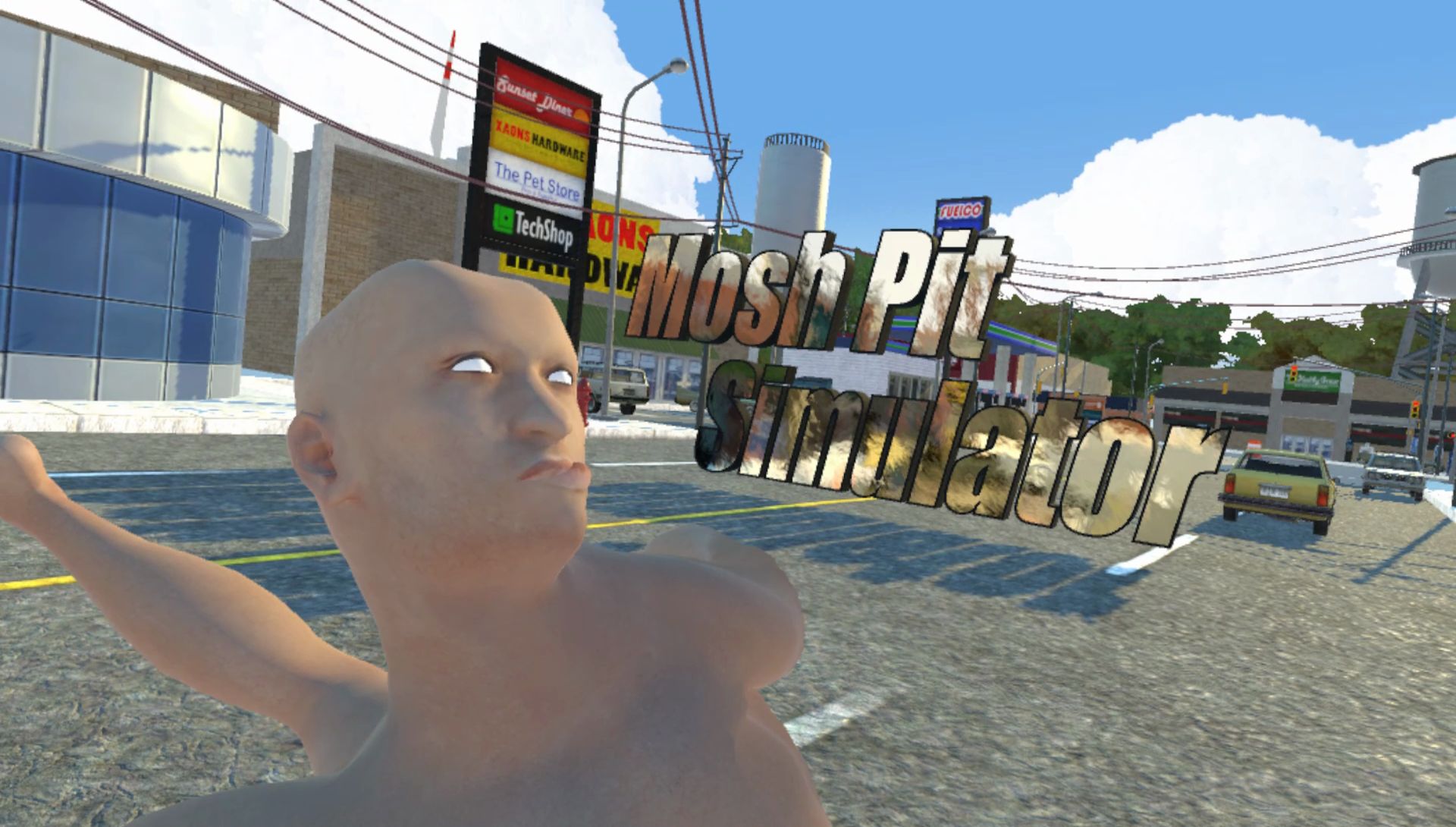
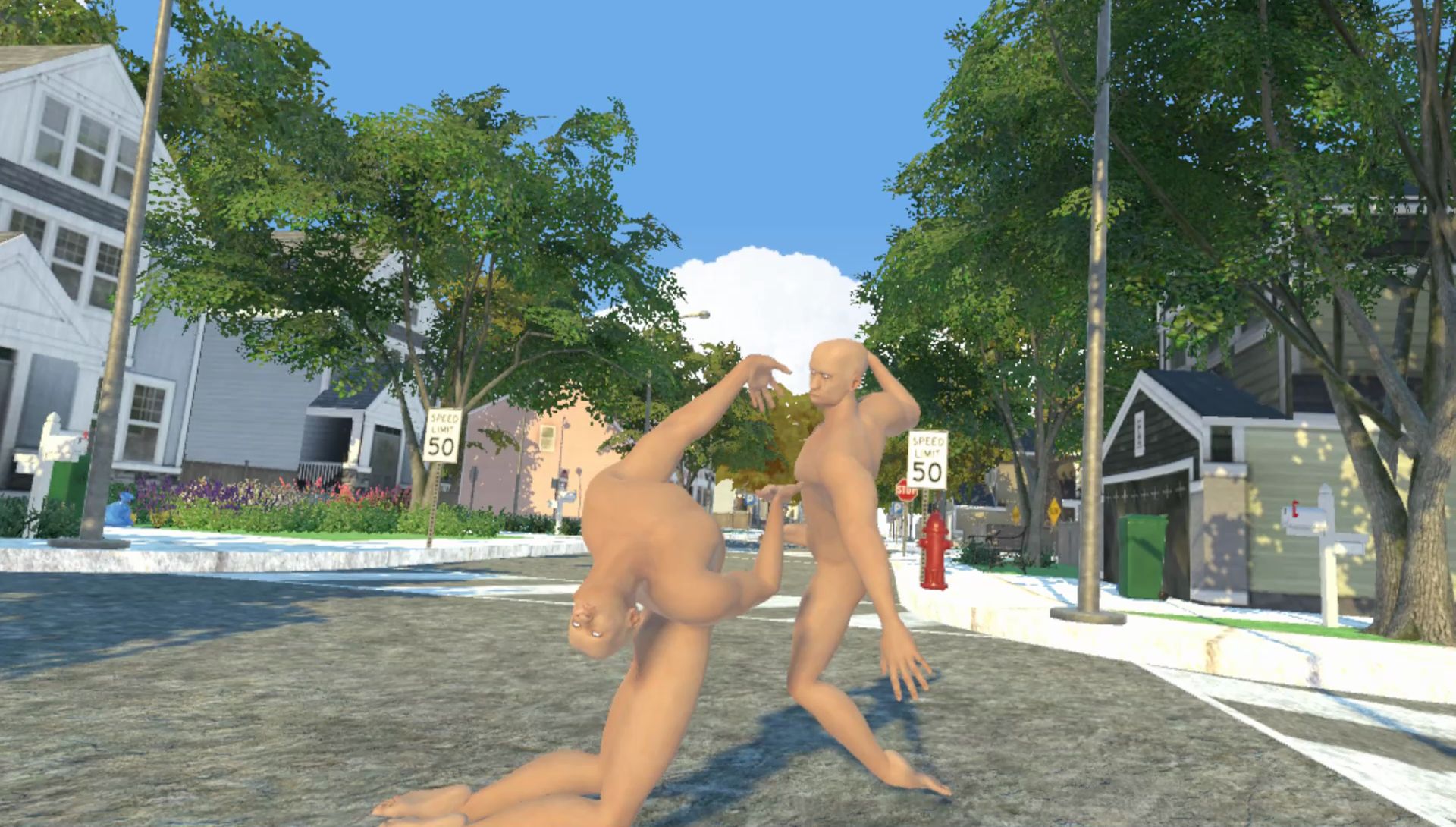

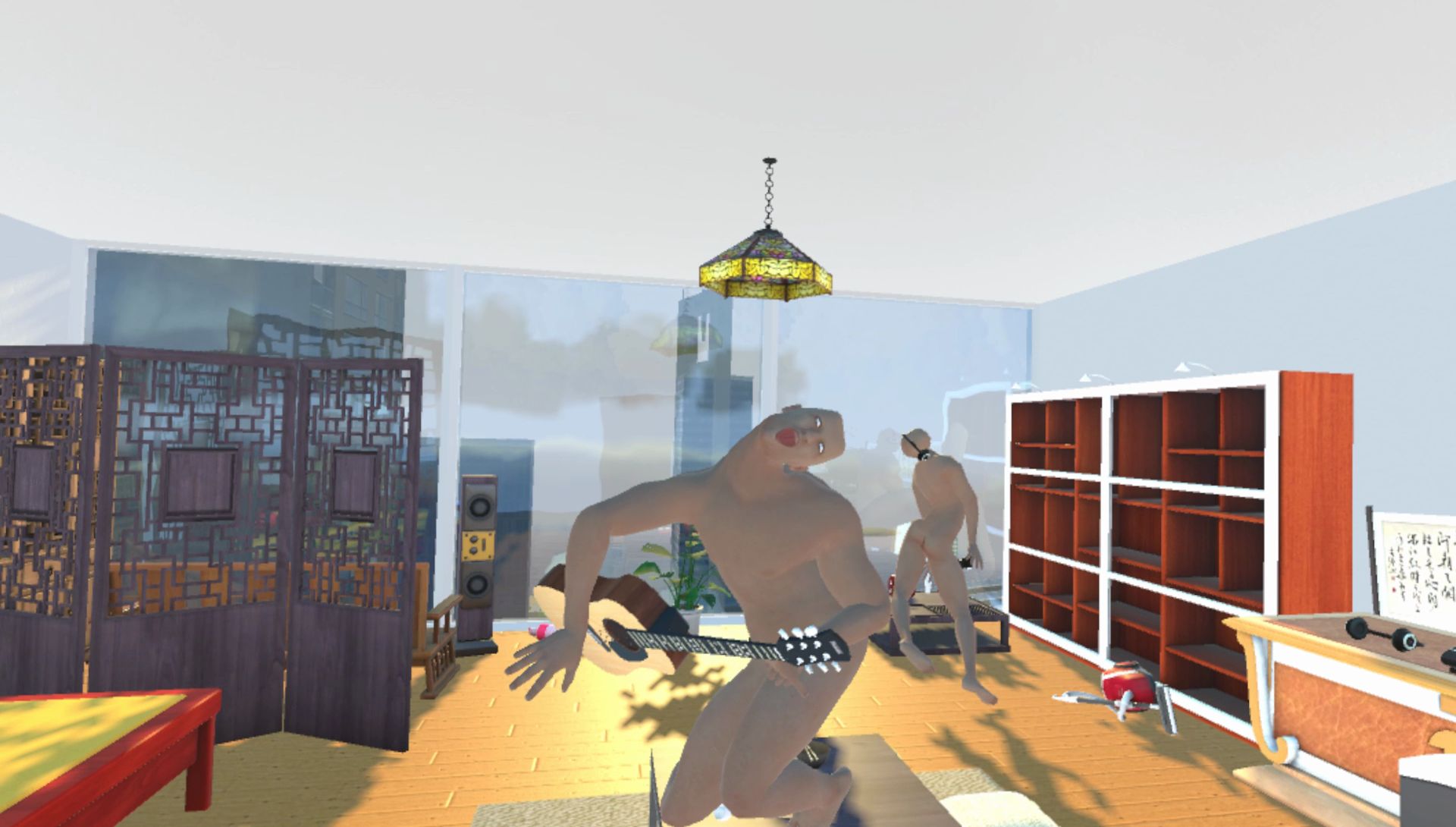
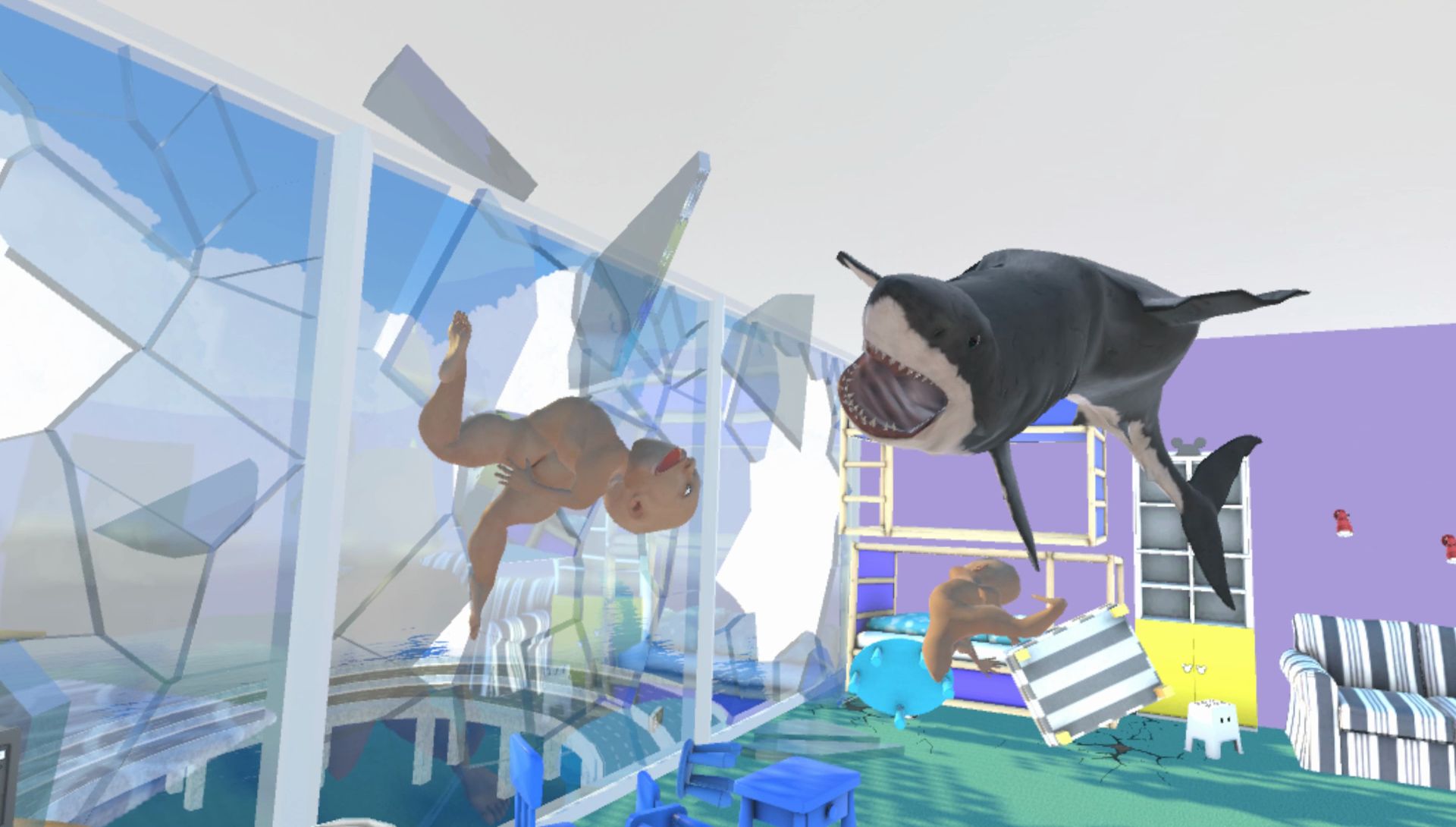
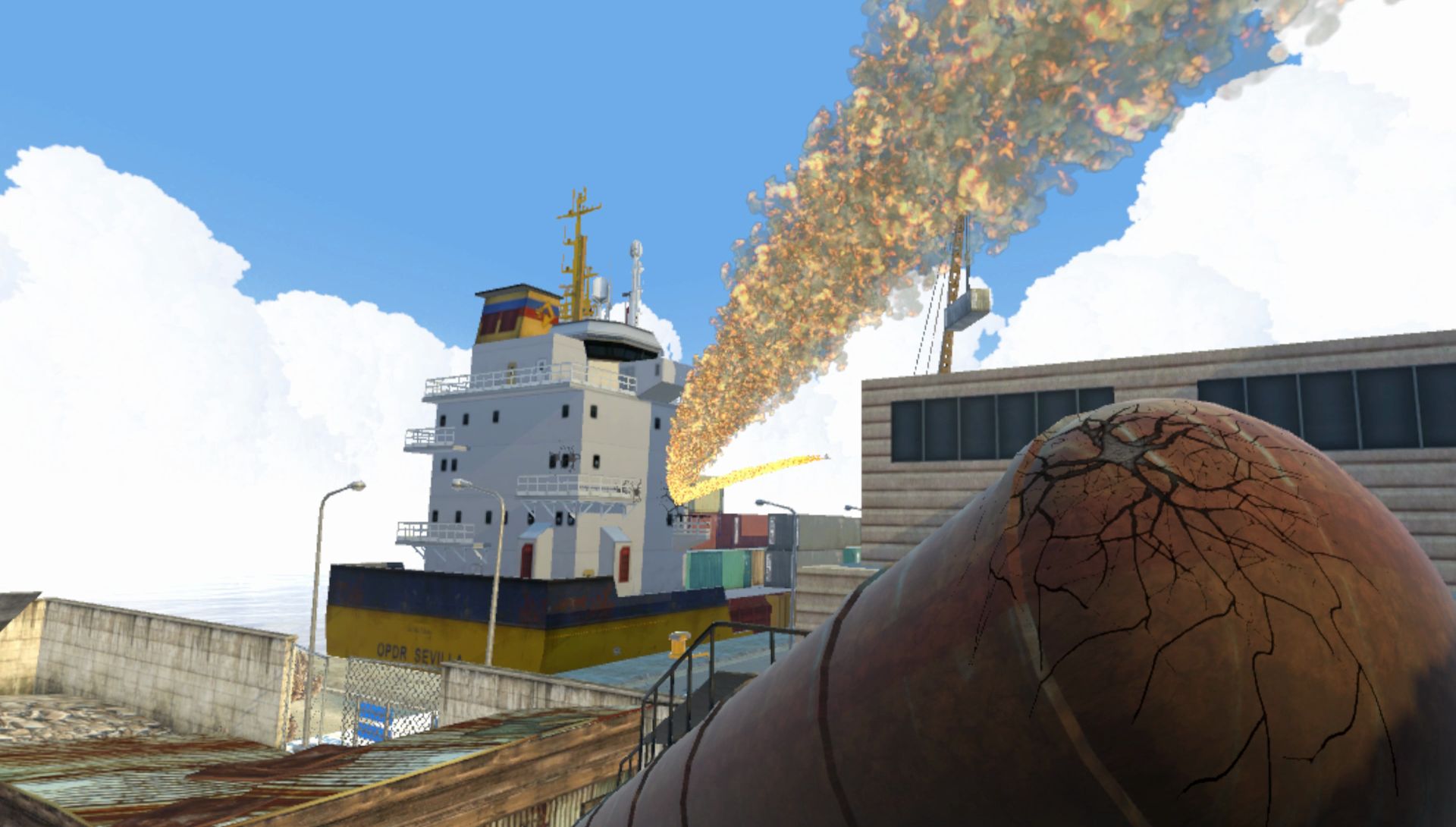
Videos



And in the silence after the sample ends, you realize the most uncomfortable truth of all: The only thing more disturbing than a perfect fake cry is a real one. And we are no longer sure we know how to tell the difference.
Because the real cry is repulsive. The fake cry is safe. In a hyper-mediated world, we prefer the representation of vulnerability to the vulnerability itself. We want the sound of tears without the saline, the empathy without the mess. The crying sound effect is the ultimate contraceptive for emotion: all the sensation, none of the conception of real pain. Every so often, a piece of media refuses the library. In Hereditary , Toni Collette’s wail after discovering a death in the car is not a sound effect. It is a 45-second, unbroken, real-time recording of an actress dismantling her own throat. It is unlistenable. It is magnificent. And it was never sampled. crying sound effect
This is the first deep fracture. The real cry says, “I am falling apart.” The sound effect says, “The script indicates that a character is falling apart.” One invites intervention; the other merely provides information. In the golden age of radio drama, actors cried for real. Orson Welles famously reduced actresses to genuine hysterics on the set of The War of the Worlds . But efficiency killed that intimacy. By the 1980s, libraries like The General Series 6000 had standardized human grief into three neat categories: #601 (Mild Distress), #602 (Moderate Weeping), and #603 (Violent Hysterics). And in the silence after the sample ends,