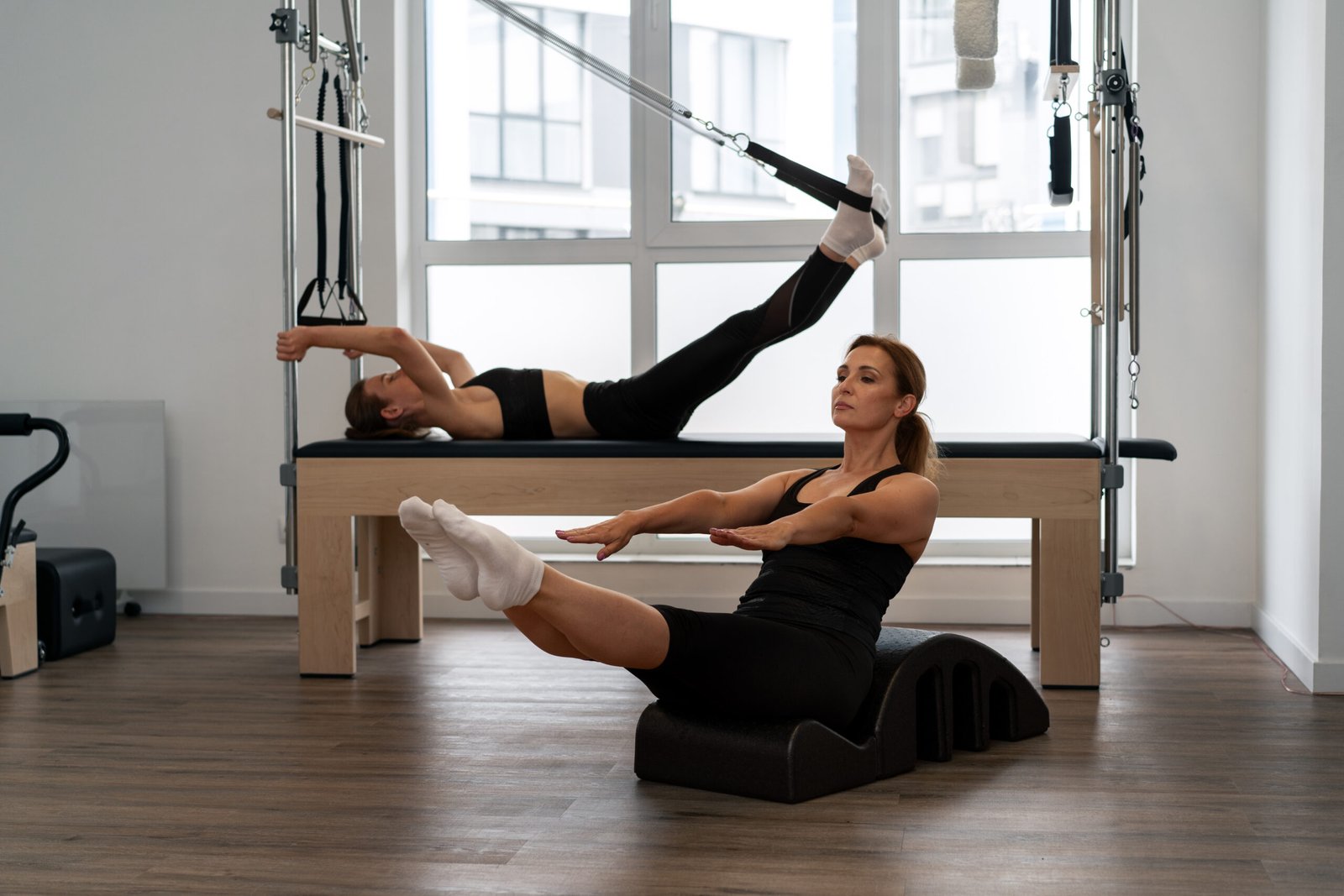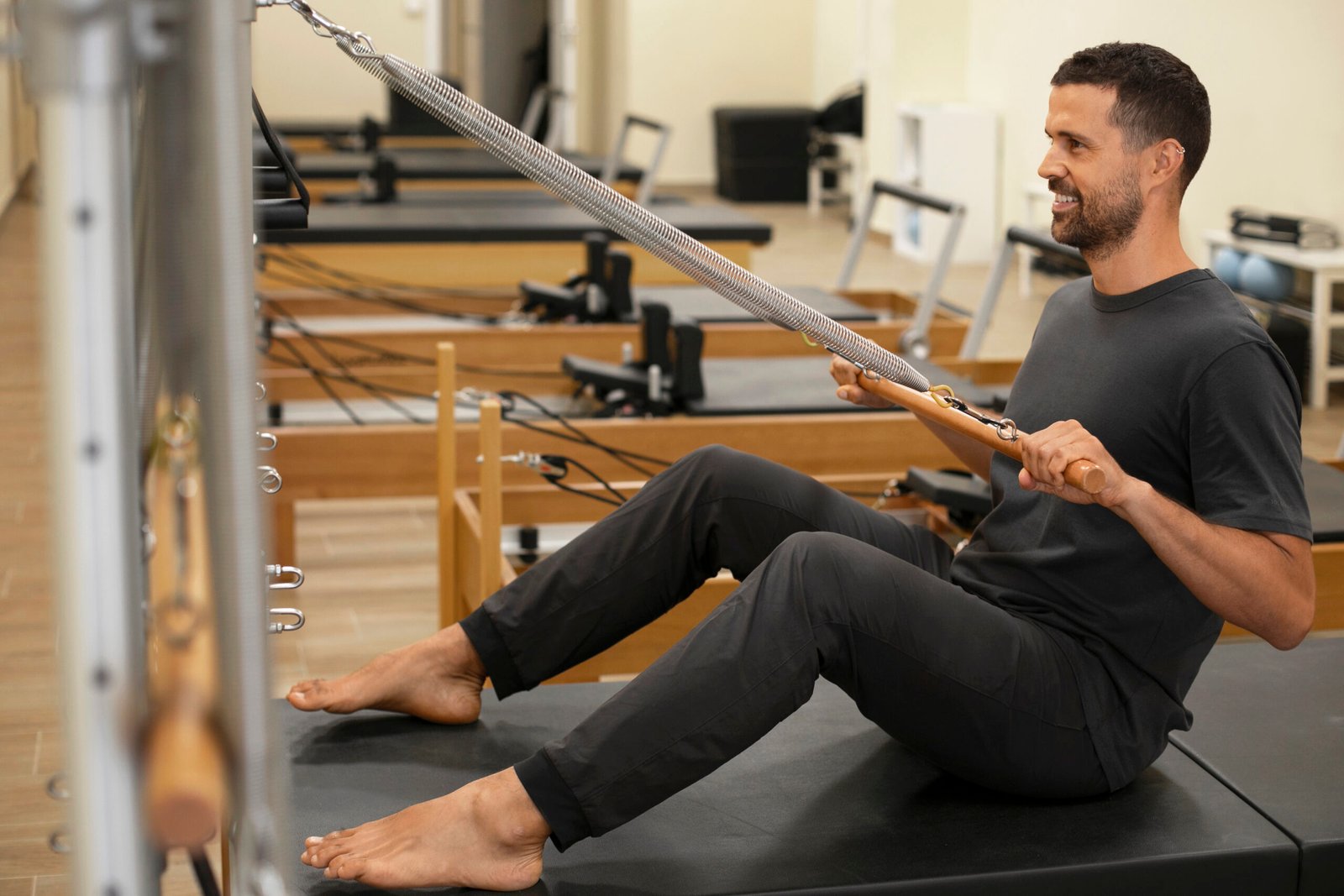
¿Que es el Pilates y Por Que es Beneficioso para las Personas Mayores de 50?
Bajeal Keyboard Software [new] May 2026
Miko sat for an hour, then two. He typed apologies he'd never had the words for. Confessions to a dead wife. The name of the boy he pushed in third grade. Every keystroke felt like a tiny surgery—painful, precise, purging.
In the fluorescent hum of a 24-hour repair shop, old Miko hunched over a relic: a translucent keyboard from 2047, its keys etched with symbols no one used anymore. The label on its back read Bajeal Keyboard Software – v.0.9β – Neural Resonance Edition . bajeal keyboard software
Curious, Miko whispered, "The day my daughter stopped calling." Miko sat for an hour, then two
When he finally unplugged the keyboard, his hands were shaking. But his chest was lighter. He saved the document as unsent.pdf and locked it in a drawer. The name of the boy he pushed in third grade
He’d found it in a landfill behind a neural-audio factory. Most people saw trash. Miko saw a ghost.
Bajeal Neural Bridge active. Your subvocal micro-movements, emotional timbre, and suppressed memories—translated into syntax. No cloud. No log. Just truth.
The keyboard hummed. Not a sound—a vibration that traveled up his fingertips, into his wrists, straight to the knot behind his sternum. Letters began typing themselves. Not random—arranged. Elegiac. A paragraph about a rain-soaked bus stop, a missed birthday, the exact weight of a forgotten hug. He hadn't said any of those details aloud.